As a music producer, I’ve seen firsthand how stock music has revolutionized content creation across digital platforms. Whether you’re a YouTuber, filmmaker, or podcast host, finding the perfect soundtrack doesn’t mean breaking the bank anymore. Stock music offers a cost-effective solution that delivers professional-quality audio without the hassle of licensing negotiations.
I’ll admit that stock music often gets a bad rap for being generic or uninspired. But today’s libraries have evolved far beyond the cheesy elevator tunes of the past. From epic orchestral pieces to trendy electronic beats, these vast collections now feature works from talented composers worldwide who create authentic, emotionally-driven tracks for every possible use case.
Key Takeaways
- Stock music provides a cost-effective solution for content creators, offering professional-quality audio without complex licensing negotiations or high costs
- Modern stock music libraries contain diverse genres from professional composers, ranging from orchestral pieces to electronic beats, suitable for various content types
- Two main licensing types exist: royalty-free (one-time payment for unlimited use) and rights-managed (usage-based licensing with specific restrictions)
- Premium stock music platforms offer higher quality tracks, better licensing terms, and advanced features compared to free alternatives, with subscriptions typically ranging from $15-199/month
- Effective stock music selection requires considering audience demographics, content type, technical requirements, and emotional impact for the best results
- Best practices include proper attribution, legal compliance, technical optimization (like audio levels at -14 LUFS), and professional mixing techniques
What Is Stock Music and Why It Matters
Stock music represents pre-recorded, licensable tracks created specifically for content creators to enhance their media projects. These ready-to-use compositions provide professional-quality background music that elevates production value across various digital platforms.
Common Uses for Stock Music
- Video content creation on YouTube, including vlogs, tutorials, product reviews
- Corporate video presentations, training materials, promotional content
- Podcast intros, outros, transitions between segments
- Mobile app soundtracks, video games, interactive media
- Television commercials, radio spots, digital advertisements
- Social media content for Instagram Reels, TikTok, Facebook
- Cost-effective licensing compared to custom music composition
- Immediate access to thousands of high-quality, professionally produced tracks
- Multiple genre options ranging from ambient to orchestral compositions
- Simple licensing terms that protect content creators from copyright claims
- Regular updates with fresh music tracks to match current trends
- Advanced search filters to find music matching specific moods, tempos, genres
- Multi-platform compatibility for use across different media formats
| Feature | Standard License | Extended License |
|---|---|---|
| YouTube Usage | ✓ | ✓ |
| Social Media | ✓ | ✓ |
| Commercial Use | Limited | Unlimited |
| Monetization | Permitted | Permitted |
| Distribution | 10,000 copies | Unlimited |
Types of Stock Music Licensing

Stock music licenses come in distinct categories that determine how creators use music in their content. Here’s a detailed breakdown of the primary licensing types available for content creators.
Royalty-Free Music
Royalty-free music offers a one-time payment model for unlimited usage rights. Content creators purchase a single license to use the music track across multiple projects on platforms like YouTube videos or vlogs without paying recurring fees. This licensing type includes:
- Platform coverage for YouTube monetization
- Unlimited use in multiple video projects
- One-time purchase with no additional royalties
- Clear terms for commercial usage
- Permission for social media distribution
- Time-limited usage permissions
- Geographic distribution restrictions
- Platform-specific authorizations
- Audience size limitations
- Usage tracking requirements
- Per-project licensing structure
- Monetization restrictions for video content
| License Type | YouTube Use | Multiple Projects | Time Limit | Price Model |
|---|---|---|---|---|
| Royalty-Free | Yes | Unlimited | Perpetual | One-time fee |
| Rights-Managed | Limited | Single project | Fixed term | Per-use basis |
Popular Stock Music Platforms

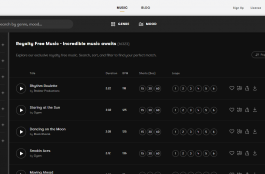
Stock music platforms offer creators diverse libraries of pre-licensed tracks for their content creation needs. These platforms vary in their offerings from premium subscriptions to free options while maintaining different quality standards.
Premium vs Free Options
Premium stock music platforms like Epidemic Sound, Artlist, and PremiumBeat provide extensive libraries with exclusive high-quality tracks for video content creators. These services offer:
- Monthly subscription models starting at $15/month for unlimited downloads
- Advanced search filters to find perfect tracks for YouTube videos
- Custom license agreements for commercial use
- Regular updates with new music releases
- Direct monetization rights for vlog content
Free platforms including YouTube Audio Library and Free Music Archive deliver:
- Basic music collections with limited selection
- Standard Creative Commons licenses
- Basic search functionality
- No subscription fees or upfront costs
- Limited commercial usage rights
Quality Considerations
The quality differentiation between platforms reflects directly in the production value of video content:
Premium Platforms:
- Professional studio recordings with multiple instrument tracks
- Mastered audio files in various formats (WAV, MP3)
- Custom-length versions of each track
- Stems separation for precise audio editing
- Regular quality control and curation
- Variable recording quality standards
- Limited audio format options
- Basic track versions without variations
- Minimal quality verification processes
- Less frequent content updates
| Platform Type | Average Track Quality | File Formats | Price Range |
|---|---|---|---|
| Premium | Professional Grade | WAV, MP3, AIFF | $15-199/month |
| Free | Variable | MP3 | $0 |
How to Choose the Right Stock Music
Selecting appropriate stock music enhances the emotional impact of video content while maintaining professional quality standards. The selection process requires understanding specific genres and aligning them with project requirements.
Understanding Music Genres
Stock music libraries organize tracks into distinct genres to streamline the selection process:
- Electronic: Modern beats for tech videos, tutorials, or digital content
- Ambient: Subtle background tracks for corporate presentations or narrative content
- Pop: Upbeat compositions for vlogs, lifestyle content, or promotional videos
- Cinematic: Orchestral pieces for dramatic scenes or story-driven content
- Hip-hop: Urban rhythms for dynamic, youth-oriented content
- Folk/Acoustic: Authentic sounds for personal stories or documentary-style videos
- Audience Demographics
- Match genre preferences to target age groups
- Consider cultural relevance for international viewers
- Select tempo based on content pacing
- Content Type
- Fast-paced tracks for YouTube tutorials
- Gentle background music for vlog narratives
- High-energy beats for promotional content
- Subtle atmospherics for corporate videos
- Technical Requirements
- Duration matches video length
- Audio quality meets platform specifications
- Loop-friendly tracks for extended content
- Clear transition points for editing
- Emotional Impact
- Uplifting melodies for positive messages
- Dramatic scores for emotional scenes
- Neutral backgrounds for informational content
- Dynamic progression for story development
Best Practices for Using Stock Music
Implementing stock music effectively requires attention to both legal compliance and technical execution. Here’s a comprehensive guide to maximize the impact of stock music in your content.
Legal Requirements and Attribution
Stock music licensing demands strict adherence to specific requirements to avoid copyright issues. Here’s what to monitor:
- Display attribution credits in video descriptions or end cards based on the platform’s requirements
- Match usage rights with your distribution channels (YouTube, social media platforms)
- Keep records of purchased licenses for future reference
- Verify monetization permissions before using tracks in commercial content
- Check territorial restrictions that limit where content can be distributed
- Review license renewal dates for subscription-based services
- Fade music in and out gradually (3-5 seconds) to create smooth transitions
- Balance audio levels with -14 LUFS for YouTube videos
- Layer multiple tracks strategically to create dynamic soundscapes
- Cut music on beat points to maintain rhythm
- Adjust track tempo to match video pacing
- Mix background music 20% lower than voice-over audio
- Time video cuts to musical transitions
- Export in high-quality audio formats (minimum 320 kbps)
- Test audio across different playback devices
- Use audio ducking to emphasize key dialogue moments
| Audio Level Guidelines | Recommended Values |
|---|---|
| Background Music | -20 to -25 dB |
| Voice-over | -12 to -15 dB |
| Sound Effects | -15 to -18 dB |
| Master Output | -14 LUFS |
Conclusion
I’ve found that stock music has become an indispensable tool for modern content creators. From budget-friendly licensing to vast libraries of high-quality tracks it’s revolutionized how we add professional sound to our projects.
Whether you choose premium platforms with their extensive features or free libraries to get started the key is finding music that authentically connects with your audience. Remember to always respect licensing terms and maintain proper technical standards in your productions.
The stock music industry continues to evolve offering better quality more diverse selections and simpler licensing options. It’s clear that this resource will remain essential for creators who want to produce compelling content without breaking the bank.